
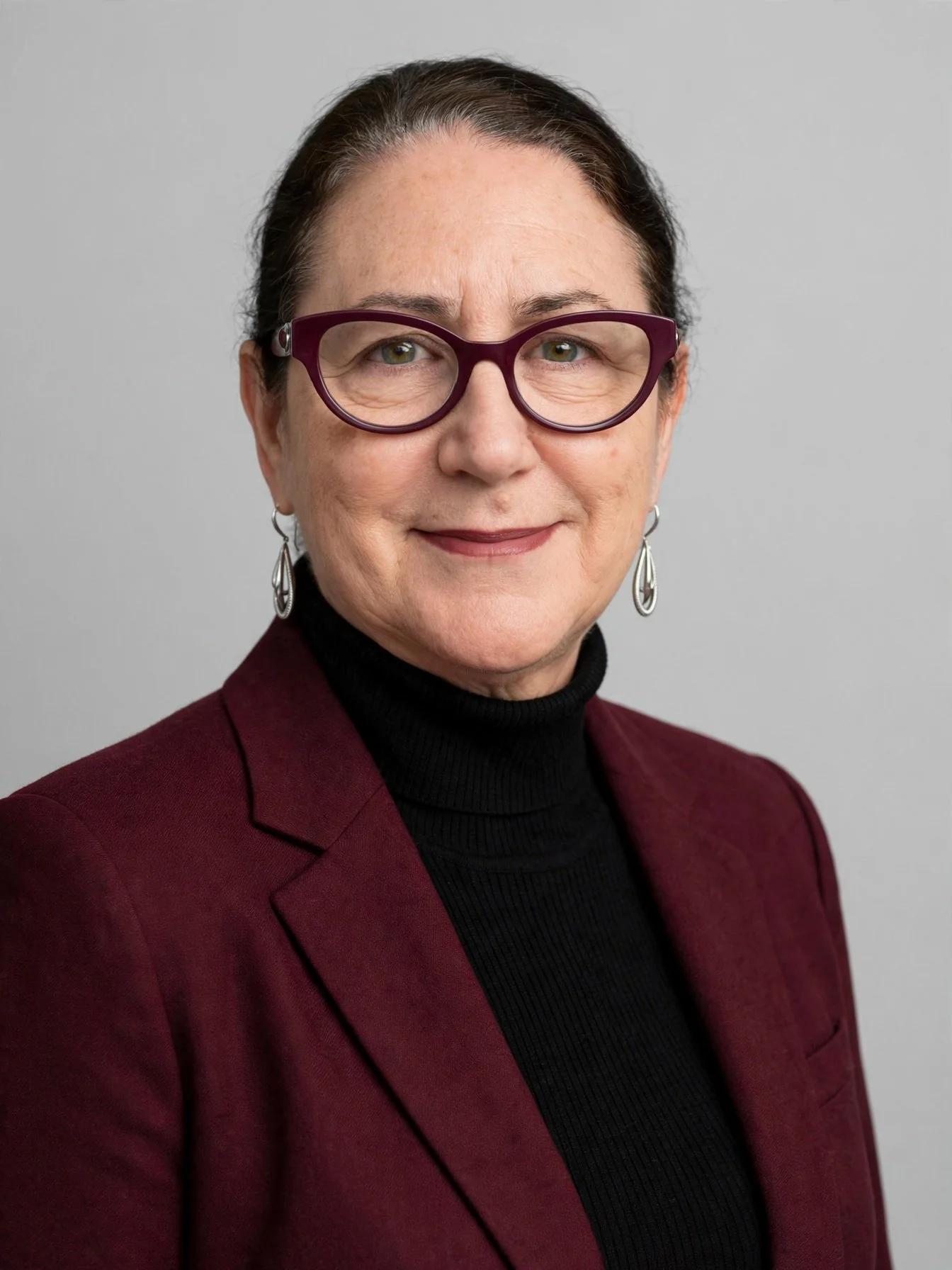
Chronic Illness Counselor in Chicago, IL
Living with a chronic health condition can take an emotional toll that others may not see. You may be tired of explaining your symptoms, managing appointments, or trying to stay positive when you’re scared, frustrated, or simply worn out. If your health has changed your daily life, independence, or plans for the future, it makes sense to grieve what feels different.
You may be dealing with:
Worry about symptoms, treatment, or what lies ahead
Frustration or anger when your body doesn’t cooperate
Feeling alone, misunderstood, or dismissed
Self-consciousness about visible symptoms, flare-ups, or memory changes
Strain on your relationships, work, confidence, or sense of self
Guilt about how your health affects the people you love
You don’t have to minimize what you’re going through or carry it all by yourself. As a chronic illness counselor, I support adults living with conditions such as psoriasis, psoriatic arthritis, cancer, respiratory illness, autoimmune disease, and cognitive changes. Therapy for psoriasis or therapy for cancer can give you space to talk openly about the emotional impact of illness—without judgment or pressure to “stay strong.”
Together, we can make room for the hard feelings, find practical ways to cope, and help you reconnect with what matters to you. You deserve support as you navigate this, one step at a time.
My path into this work began long before I became a Counselor
My career began in respiratory therapy, working directly with patients in hospital settings. I spent years at the bedside supporting people who were struggling to breathe, recovering from serious illness, or facing frightening diagnoses. That experience gave me a deep understanding of what it’s like to be a patient in the medical system: the alarms, the rushed explanations, the unfamiliar terms, and the very real fear that comes with not knowing what will happen next.
Over time, I realized that while medical care can treat the body, many people leave the hospital or doctor’s office carrying emotional scars—anxiety, hypervigilance, grief, and a sense of being overwhelmed. This led me to pursue my Master’s degree in counseling and become a Licensed Professional Counselor so I could support the emotional side of living with health challenges.
Credentials
Licensed Professional Counselor (LPC) – Illinois
Advanced clinical training
Strong medical background
Special focus on clients with complex needs
Education
M.S. in Clinical Counseling Psychology from Rosalind Franklin University of Medicine and Science
B.S. in Psychology from Loyola University Chicago
Professional Focus
Evidence-based mental health care
Integration of physical and emotional health
Support for: Chronic illness, Cancer, Cognitive changes, Significant life transitions and challenges
Professional Memberships
Associate member, American Psychological Association (APA)
Member, Illinois Mental Health Counseling Association (IMHCA)
Areas of Specialization
Who I Work With
Adults living with chronic medical conditions, cancer, and long-term health challenges
Older adults with mild–moderate cognitive impairment, early dementia (including Lewy body), and memory changes
Health & Emotional Concerns
Chronic illnesses: respiratory disease, autoimmune conditions, and other ongoing health issues
Support with anxiety, depression, adjustment, and grief related to diagnosis, treatment, and changing abilities
Cognitive & Brain Health Support
Focus on early dementia and cognitive changes
Strategies to strengthen daily functioning, use cognitive strengths, and maintain independence as long as possible
Types of Therapies
-
CBT helps you identify and change unhelpful thoughts and habits that fuel anxiety, depression, health anxiety, and ADHD symptoms. It’s especially useful for managing chronic illness, improving mood, and supporting behavior changes like sleep, medication use, and activity.
-
MI is a collaborative way of talking about change. I use it to strengthen your own motivation to follow treatment plans, adjust health behaviors, reduce avoidance linked to anxiety or PTSD, and move forward when you feel stuck.
-
ACT helps you relate differently to pain, fear, and difficult emotions instead of fighting them. It supports coping with chronic illness, anxiety, depression, ADHD, and trauma by building mindfulness and helping you take actions guided by your values.
-
CPT is an evidence-based treatment for PTSD, including medical trauma. We target unhelpful beliefs about safety, trust, control, or your body after trauma, reducing PTSD symptoms, guilt, and shame.
-
DBT skills offer concrete tools for managing intense emotions, impulsivity, and conflict. I use them to help with anxiety, depression, ADHD-related emotion swings, and the stress of chronic illness through mindfulness, distress tolerance, emotion regulation, and communication skills.
-
Across these therapies, a chronic illness specialist focuses on how your mind and body interact. We work on coping with symptoms, pain, and flares; managing anxiety, depression, PTSD, or ADHD; and building daily routines that serve your values—not just your diagnosis.
Interest outside of therapy

Outside of my work as a therapist, I spend much of my free time caring for the beings I love most, my family and my pets. I treasure everyday moments with my grandchildren, whether I’m helping with homework, cheering them on at activities, or simply listening to their stories. At home, my pets are a constant source of comfort and companionship, and I take pride in making sure they’re well cared for. I’m also an avid reader and genuinely enjoy diving into books about psychology and chronic illness; staying informed about both the science and the lived experience of these conditions helps me grow personally and professionally. A meaningful part of my life is advocating for people with psoriasis, and I regularly speak on podcasts and give presentations to raise awareness, reduce stigma, and support those living with the condition. None of this would be possible without the steady support of my partner, who is a constant source of encouragement, grounding, and care in my life. The people closest to me often turn to me when they need support, perspective, or simply a good laugh, and I do my best to offer both a listening ear and a bit of lightness when it’s needed most.
Personal Values
Compassion
Whole-person care
Advocacy
Lifelong Learning
Evidence Based Practice
Acts of Service
Hope and Resilience
Family and Connection
Stability and Reliability

What to expect from your work with me.
When you work with me, you can expect a practical, collaborative, and straightforward approach, always tailored to your health, your life, and your goals. I primarily use Cognitive Behavioral Therapy (CBT) to help you understand and shift patterns in your thoughts and behaviors, reduce anxiety and depression, and cope more effectively with flares, limitations, and fears about the future. Because many of my clients live with chronic medical conditions such as psoriasis, psoriatic arthritis, respiratory illness, and other long-term health issues, I also draw on health psychology and behavioral medicine to address stress, sleep, fatigue, energy pacing, and communication with medical providers. For clients experiencing memory concerns or early cognitive changes, I incorporate cognitive and compensatory strategies—practical tools like routines, reminders, and environmental supports to help maintain independence and daily functioning. I also integrate elements of Acceptance and Commitment Therapy (ACT) and mindfulness, especially when we are working with health realities that cannot be fully changed. Overall, therapy with me is collaborative, validating, and flexible, paced to your symptoms and energy, with a clear focus on giving you usable strategies you can carry into everyday life.